How We Work on Heating and Cooling Jobs in Minneapolis
Heating and cooling jobs, from a single repair to a full replacement, generally move through the same stages: an assessment, a choice of options, the work itself and testing. State and city safety rules shape each of them.
Assessment, Options, Work and Testing
On a repair, the options may come down to a single fix. A replacement opens more of them: staying with a gas furnace, moving to a heat pump or a dual-fuel system, or adding a ductless mini-split for rooms the ducts do not reach. For a replacement, the assessment covers the house as well as the equipment, because a proper load calculation depends on its size, insulation and windows. The customer generally decides which way to go before work begins.
| Stage | What generally happens | What the customer may be asked to decide |
|---|---|---|
| Assessment | A technician inspects the equipment, controls, venting and ductwork, asks about the symptoms and, for a replacement, gathers what a load calculation needs. | When the visit can happen, who will be there, and which problems or rooms matter most. |
| Options | The findings are explained, along with the choices: repair or replacement, the type and size of system, and any ductwork, venting or electrical changes. | Whether to repair or replace, which system and fuel, and whether to change ductwork or add a ductless unit. |
| The work | Parts or new equipment go in, with gas, venting, electrical and refrigerant connections made to the maker’s instructions and the local code. | Where a new thermostat or outdoor unit will go, and when the city inspection can take place. |
| Testing | The system is started and measured: ignition and flame, venting, airflow, temperatures and, for cooling, the refrigerant charge. | Thermostat settings, a filter schedule and when to book seasonal maintenance. |
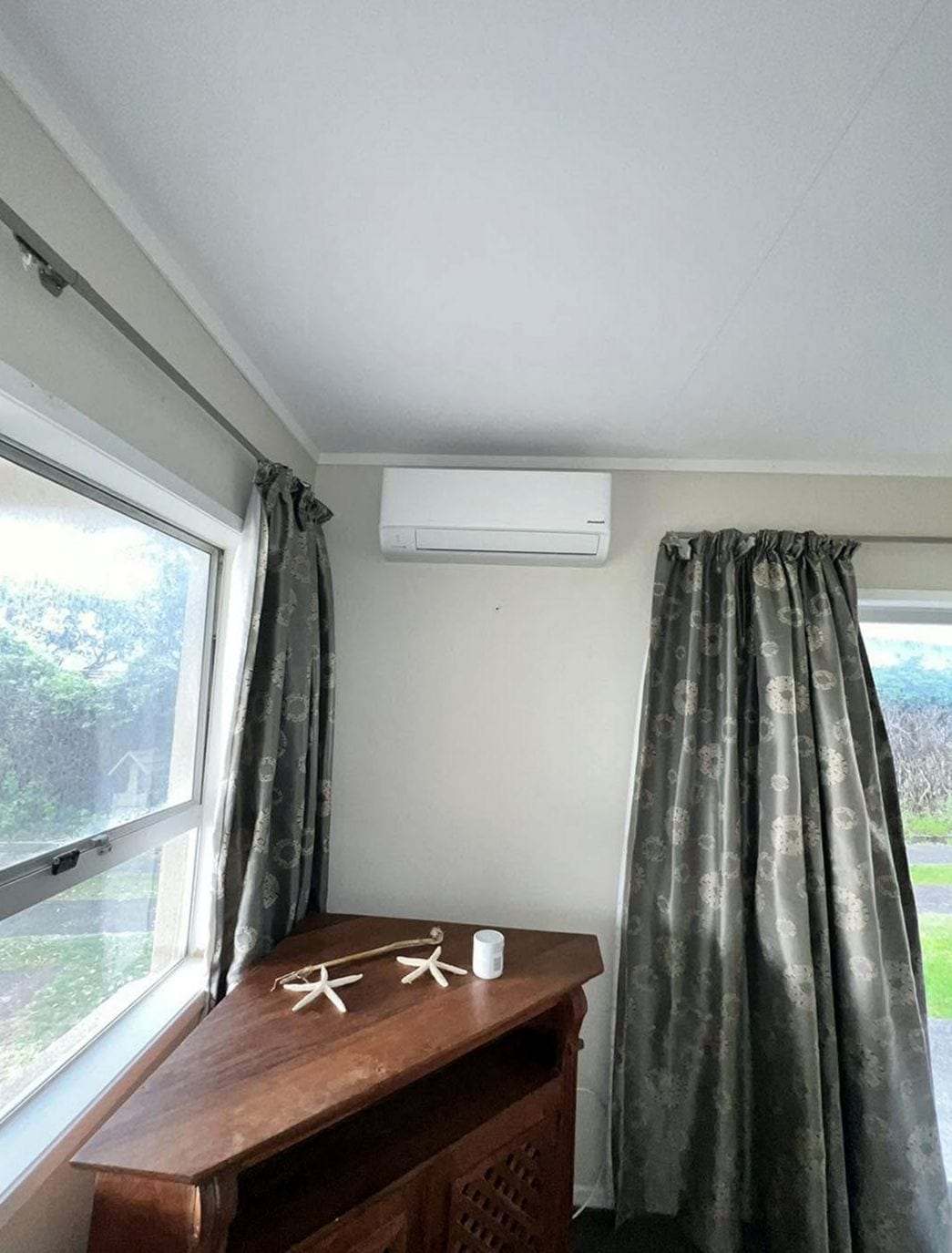
The work itself is done to the equipment maker’s installation instructions and the local code, under a permit where the city requires one. On a furnace replacement, that covers the gas connection, the venting, the electrical supply and the ductwork connections. On a ductless installation, it means mounting the indoor unit level and high on the wall, running the refrigerant lines and the condensate drain through the wall, and sealing the opening.
Refrigerant lines on a new air conditioner, heat pump or mini-split are generally pressure-tested and then evacuated with a vacuum pump before the refrigerant is released into them. Skipping that step leaves moisture and air in the system, which shortens the life of the compressor.
Testing and Start-Up Checks
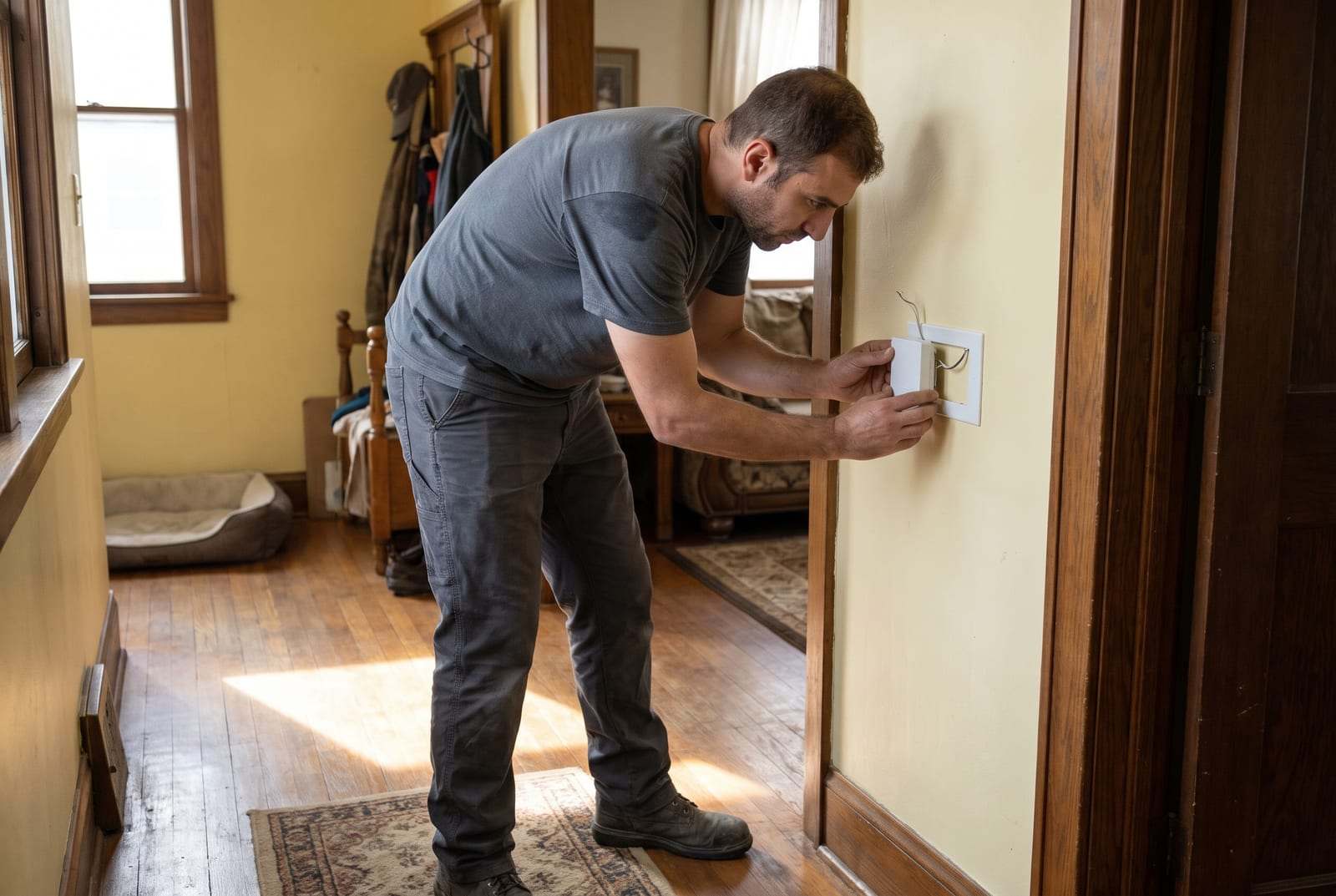
Testing shows whether the work did what it was meant to do. On a furnace or boiler, a technician generally checks the ignition sequence, the flame, the gas pressure and the venting, and measures the flue gases for carbon monoxide. On an air conditioner or heat pump, the checks usually cover the refrigerant charge, the temperature drop across the indoor coil, the airflow and the condensate drain.
The thermostat is part of the test as well: the equipment has to start, run and shut off on its own through a full cycle, and safety controls such as a furnace’s high-limit switch are generally checked too. After that, seasonal maintenance repeats many of the same checks each year.
Codes, Permits and Licensing Rules
Heating and cooling work is regulated because it involves gas, combustion, electricity and refrigerants. The rules cover who may do the work, which jobs need permits and inspections, and how equipment must be vented, wired and placed.
| Rule area | What it covers | What it means for you |
|---|---|---|
| Contractor licensing | Minnesota sets requirements for contractors who do gas, heating, cooling and electrical work, and some cities add licenses of their own. | A contractor can be looked up with the Minnesota Department of Labor and Industry, and with the city, before work starts. |
| Permits and inspections | Installing or replacing heating and cooling equipment, and many gas, venting and duct changes, usually need a city permit and an inspection. | Ask who will take out the permit, and plan for the inspector to see the equipment and the vent outside. |
| Gas venting and combustion air | Fuel-burning equipment must vent its exhaust safely outdoors and draw enough air to burn properly. | A high-efficiency furnace often vents through a side wall, and a water heater left alone in the old chimney may need its venting checked. |
| Carbon monoxide alarms | Minnesota requires working carbon monoxide alarms in homes, close to the rooms used for sleeping. | Test alarms regularly and replace them by the date printed on each one. |
| Refrigerant handling | Federal Environmental Protection Agency rules require technicians who work on refrigerant circuits to be certified and to recover refrigerant instead of releasing it. | A leak needs to be found and fixed, since refrigerant added on its own escapes again. |
| Electrical connections | Heating and cooling equipment needs a correctly sized circuit, a disconnect near outdoor units and proper grounding. | A replacement may need a new breaker, circuit or disconnect, and the wiring may need its own permit and inspection. |
| Equipment clearances | Equipment makers and the mechanical code set the space needed around furnaces, boilers, water heaters and outdoor units. | Keep storage away from the furnace and boiler, and keep plantings, fences and snow back from outdoor units and vent pipes. |
Requirements vary from city to city and change as new editions of the codes are adopted. The Minnesota Department of Labor and Industry publishes the state’s current licensing and code requirements, and the City of Minneapolis publishes its own permit and inspection rules. Each of the towns we cover, from Saint Paul to Edina, has its own permit process.
Questions About Permits, Inspections and Alarms
Does replacing a furnace or air conditioner need a permit?
In Minneapolis and the cities around it, replacing a furnace, boiler, air conditioner or heat pump generally needs a mechanical permit, and gas or electrical work can need permits of its own.
The contractor doing the work usually takes out the permit, and the city’s permit office has the final word on what a job requires.
What does an inspector look at?
Inspections focus on safety: gas piping and connections, venting and combustion air, clearances, and the electrical connection and disconnect.
The inspector may need to see the equipment, the thermostat and the vent outside, so plan for access to all three.
Where should carbon monoxide alarms go?
Minnesota requires carbon monoxide alarms close to every room used for sleeping, and safety guidance also recommends one on each level of the house, including the basement.
Follow the maker’s instructions on height and distance from fuel-burning appliances. An alarm right beside a furnace or water heater can sound during a normal start-up.
How often should carbon monoxide alarms be tested?
Press the test button once a month, replace batteries as the maker directs, and replace the alarm at the end of its rated life, which is printed on it.
The test button checks the alarm’s circuits and horn, not how well the sensor still reads, which is why the end-of-life date matters. A plug-in alarm only works while it stays plugged in.
Home Safety Basics
Between service visits, a few habits keep a house with fuel-burning equipment safer:
- Test carbon monoxide alarms on a regular schedule, and replace any alarm past the date printed on it.
- Keep the space around the furnace, boiler and water heater clear of boxes, paint, laundry and anything else that burns.
- Know where the gas shutoff valves are, at the meter and beside each appliance. If you smell gas, leave the house instead of looking for a valve.
- Keep vent pipes, the air conditioner and any heat pump clear of snow, leaves and plantings.
- Have the heat exchanger and venting checked before each heating season.
When the house or building is ready for an assessment, send a service request with a few lines about the equipment and the problem.